

If You Think This Heatwave Is Bad, Try Being a Live Cell Under a Microscope…
Because your cell samples are delicate little things, and your light source absolutely does not need to bring the weather indoors

One email a month with product news, applications, events and technical resources.

Because your cell samples are delicate little things, and your light source absolutely does not need to bring the weather indoors

A guide to maintaining your CoolLED LED illumination system… otherwise known as switching it on and ‘getting on with your day’

How the University of Aberdeen moved from mercury lamps to LED illumination, and what other microscopy facilities can learn from their journey
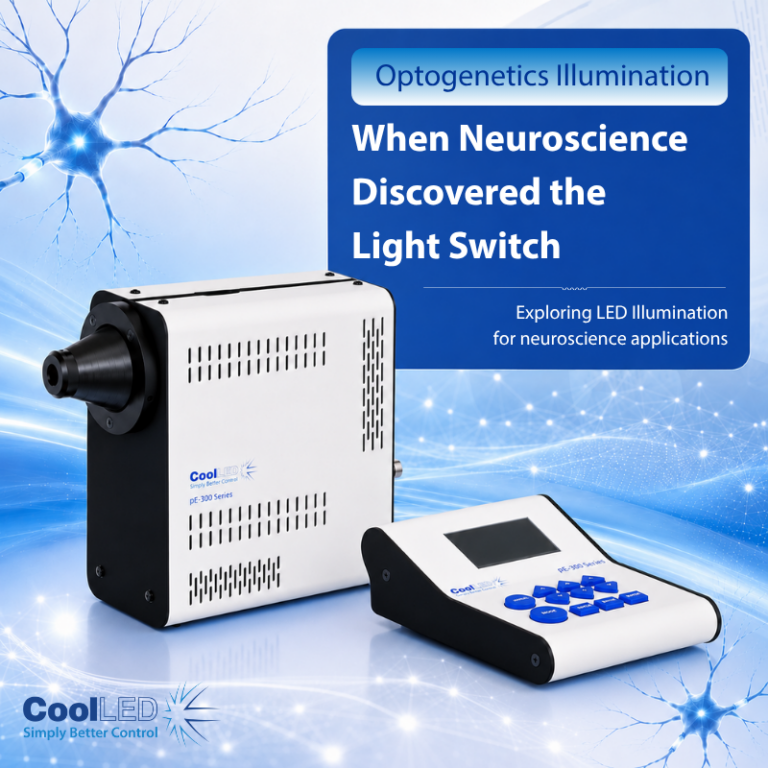
A look at how optogenetics helps neuroscience switch things on and off, and makes the brain seem slightly less impossible

A look at how controlled LED Illumination helps advanced packaging and inspection systems see the tiny details that actually matter

A look at how lab and facility managers can prepare for the mercury and metal halide bulb phase-out using CoolLED’s No More Mercury tools and resources

Visible light has had a very good run, but longer wavelengths are helping imaging systems reveal what the human eye politely ignores…
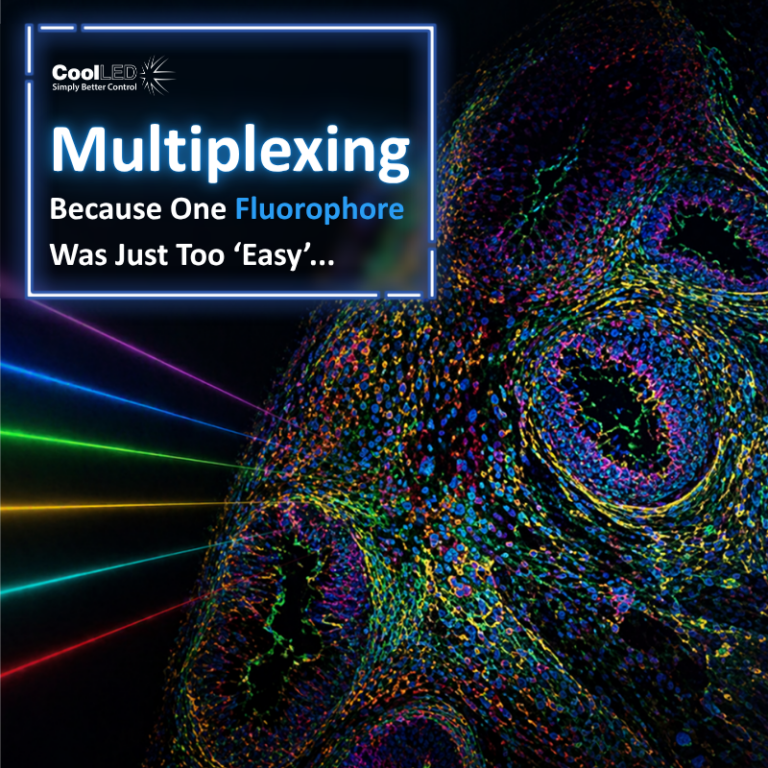
‘Multiplexing’ might sound like the sort of word that should belong in a cinema, or a very complicated tax return, but let’s take a closer look…

Before your last spare bulb starts being treated like a sacred relic, take a look at what you have, how quickly you use it, and how long it’s realistically likely to last…
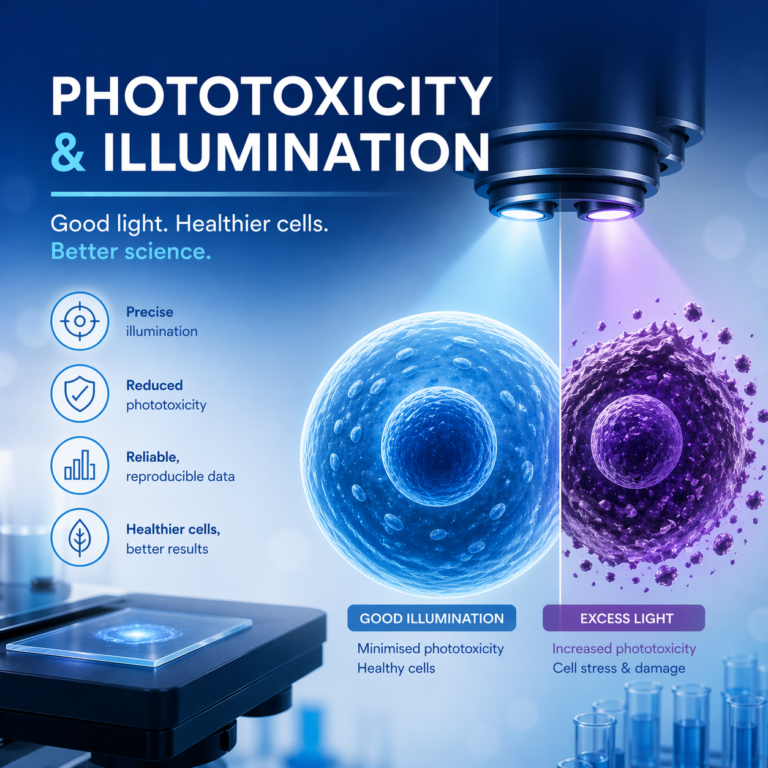
Good imaging starts with good light. A neuroscience student reflects on phototoxicity, data quality, and her time at CoolLED…
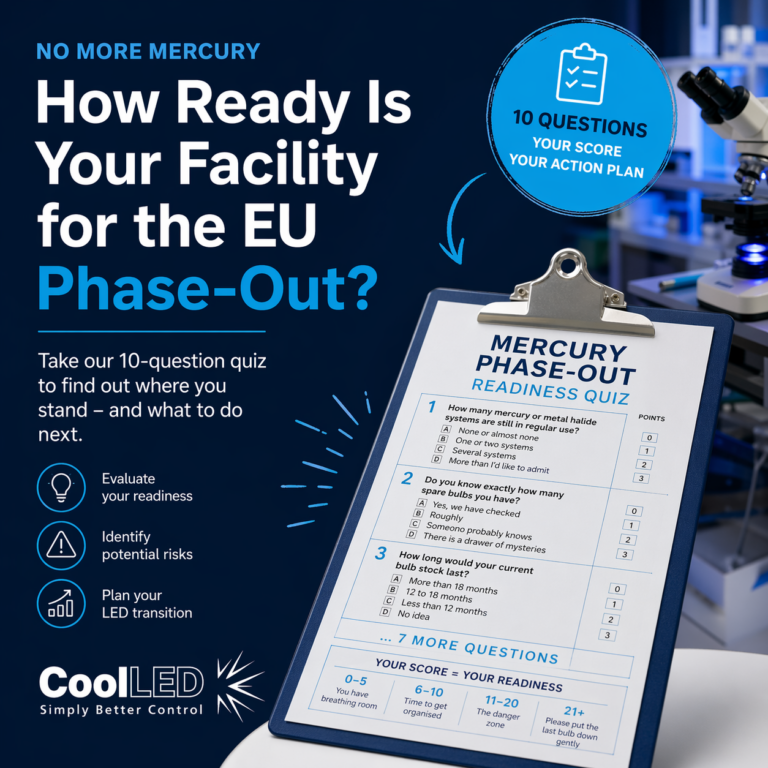
The move from mercury and metal halide to LED illumination doesn’t need to be rushed, stressful or wildly expensive all at once… But it does need to start somewhere

Get your illumination right and a lot of things get easier. Results feel more consistent. Switching gets quicker. Imaging becomes less of a battle. Which is really the whole point…You’ve got enough going on already.
Need something a little different?
For manufacturers who wish to gain a competitive advantage through bright, stable and controllable illumination, CoolLED’s world-renowned LED technology is available in customised configurations.

Did you know that LED illumination systems help laboratories reduce their carbon footprint, protecting laboratory staff along the way?
Toxic mercury-based microscope illuminators are bad news for the environment, draw a lot of power and have a short lifetime.
LED illumination systems are cleaner, have a long lifetime and use less power. Our pE-300 Series is also ACT label certified and is a natural choice for labs who want to play their part in helping the environment.
At CoolLED we are committed to giving our customers outstanding service right from the start and throughout the lifetime of the product. Please get in touch if you have any questions or would like a quote. You can also browse our site for technical resources and general support.