
Because nobody likes watching their hard-earned signal fade like a ghost in a wind tunnel…
If you’ve ever watched your beautifully labelled cells go from glorious technicolour to faint suggestion of green within a few frames, you’re not alone. Fluorophores, for all their brilliance, have the unfortunate habit of burning out faster than a moth with ambition.
Here are five easy, practical tips to keep your fluorescence shining for longer – without the need for alchemy, sorcery, or switching the bulb every ten minutes.
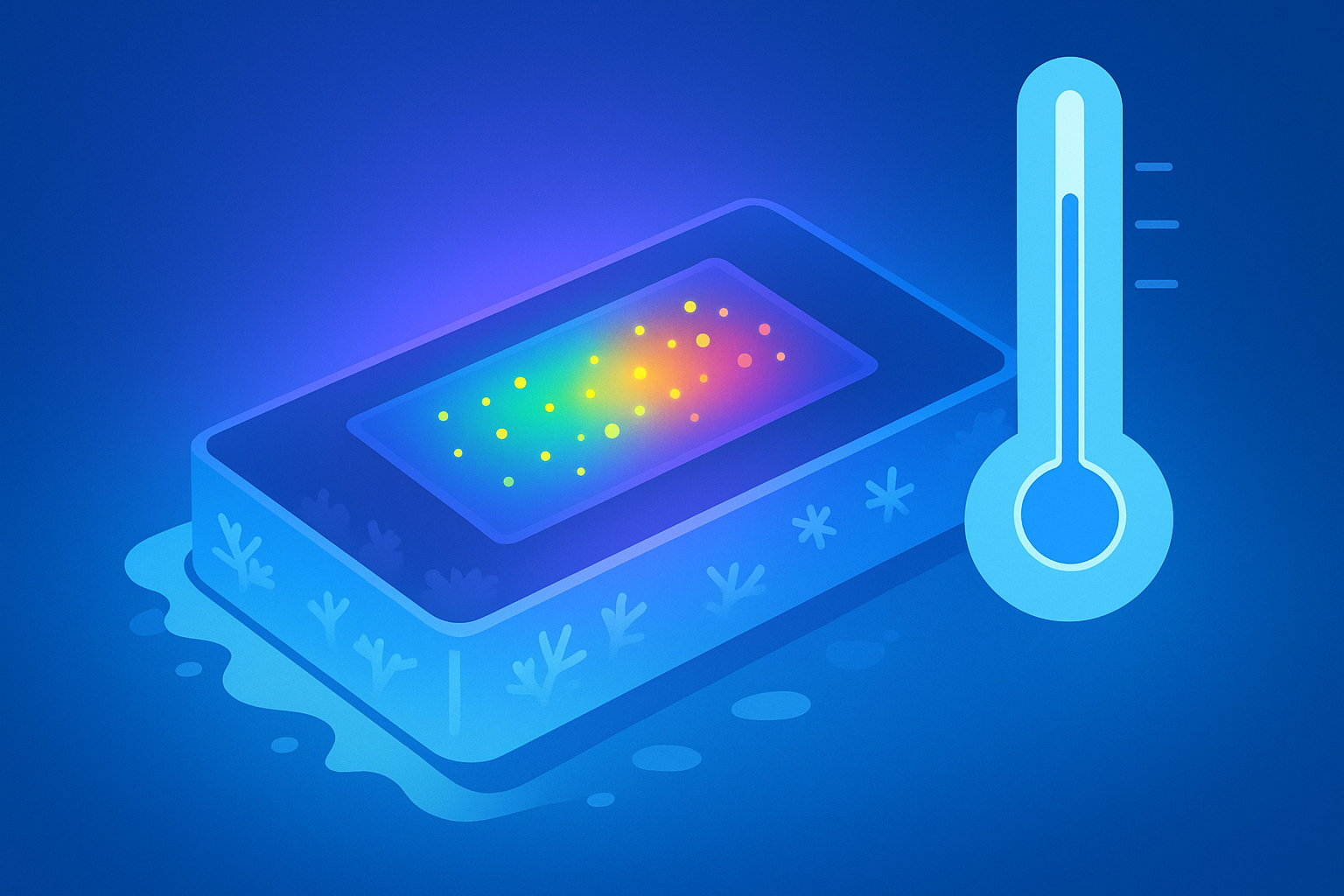
1. Keep things cool (literally, not emotionally)
Heat is a natural enemy of fluorescence. Even the hardiest dyes begin to grumble when temperatures rise.
If you’re working with delicate samples or mounted slides, try to avoid hot stages unless absolutely necessary.
Let things settle before imaging, and consider cold room storage for slides you’re not planning to view immediately. Think of it like storing chocolate – not too warm, not too bright, and preferably not in your back pocket.
2. Use anti-fade mounting media
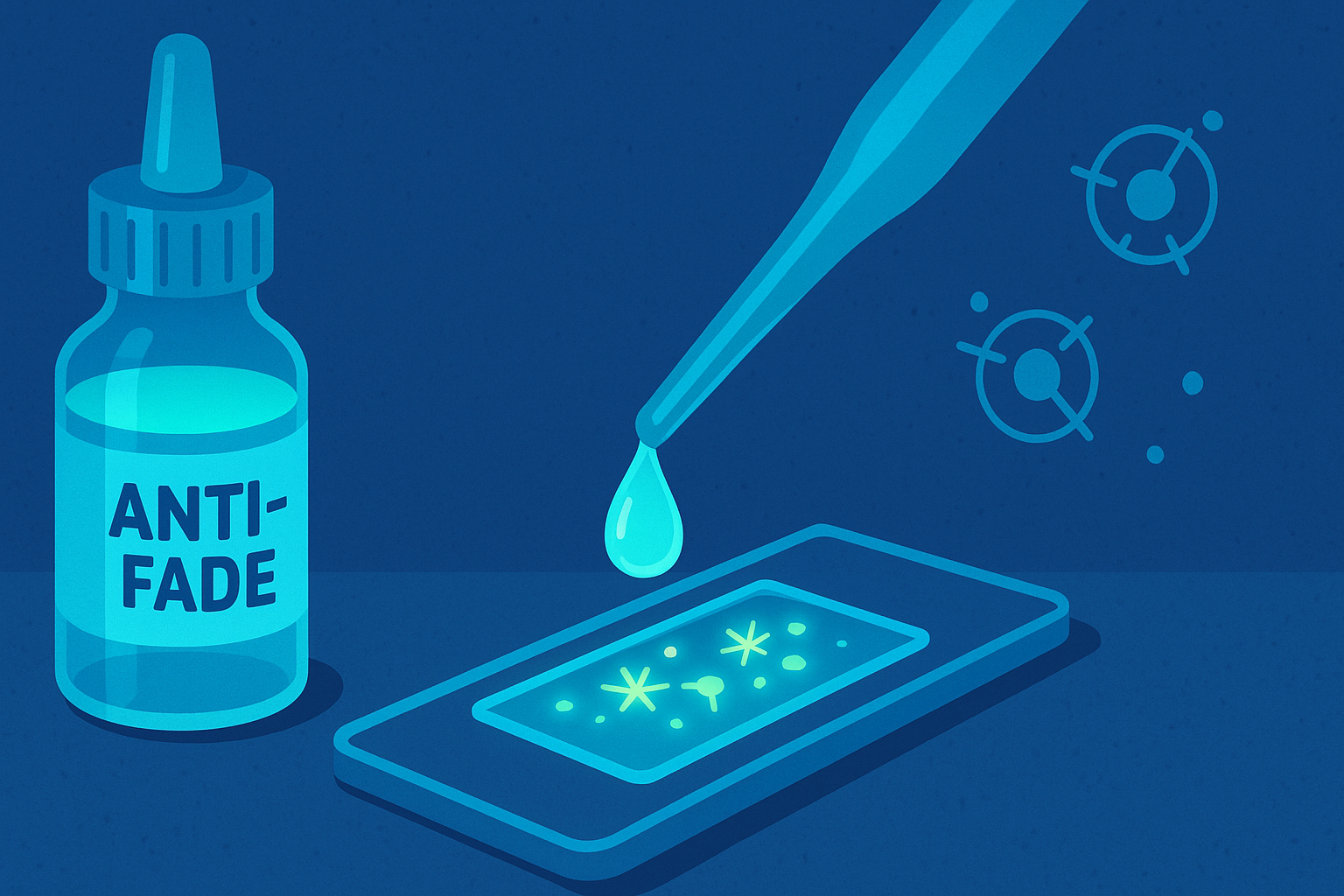
It may sound like snake oil, but anti-fade solutions really do help. They reduce photobleaching by scavenging free radicals and stabilising the dye.
Most are compatible with common fluorophores, and a small bottle goes a long way. It’s a bit like sunscreen for your slides – except they’re far easier to apply with a pipette.
3. Stay in the dark
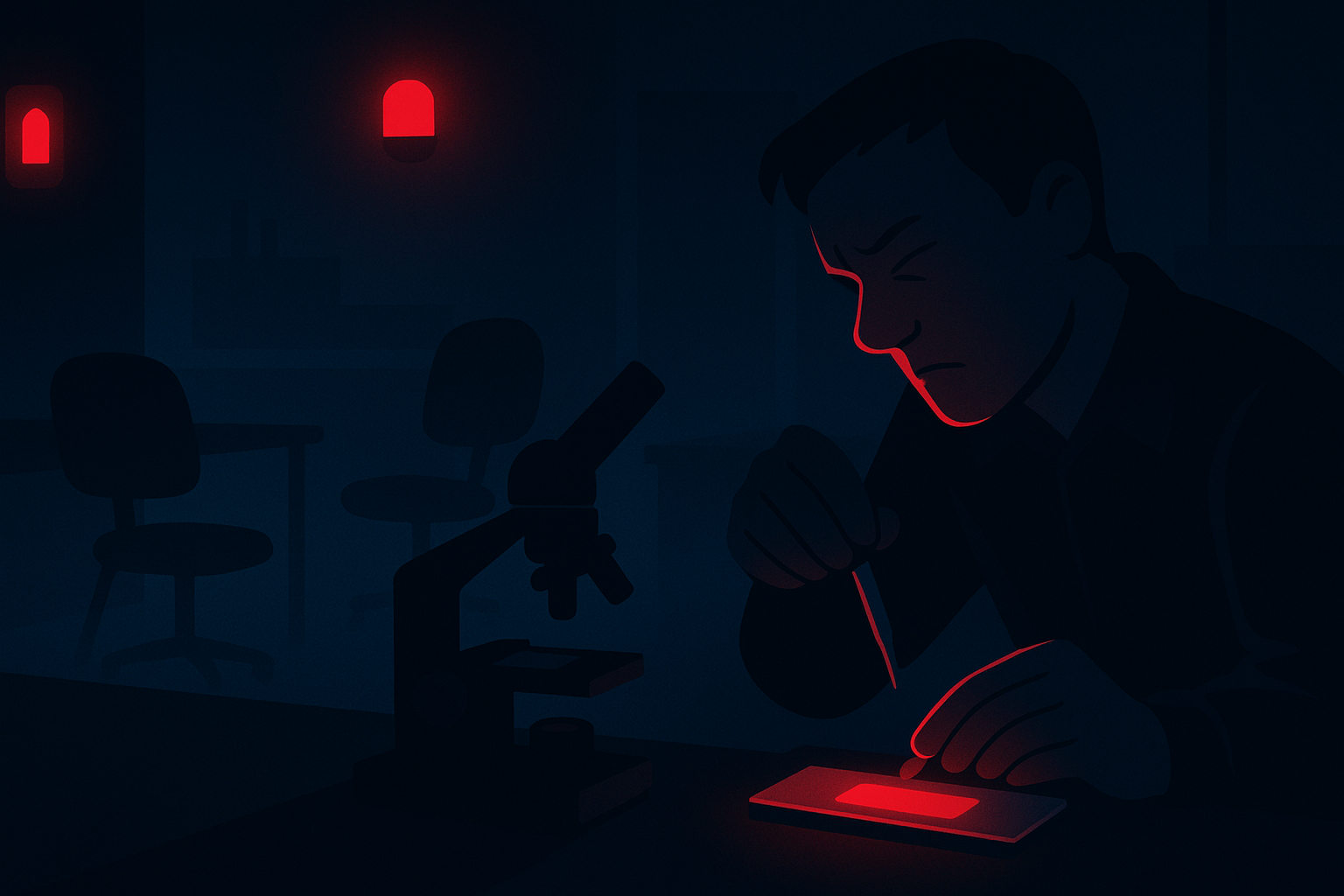
Fluorophores start bleaching the moment light hits them, so try to prepare your slides and set up experiments in dimmed conditions.
If you’re working in a shared lab, this can mean a lot of squinting and bumping into chairs.
Red safety lights help. So does knowing where the light switch is.

4. Only shine when it matters
A common mistake: leaving the light source on while you’re chatting, adjusting focus, or wondering what you did with your sample.
Use your microscope’s shutter or illumination control to only expose the sample when you’re actually acquiring images.
Every unnecessary photon is a bit like sending a tiny “best before” sticker into the cell.
5. Store your slides like you’d store precious biscuits
That means dry, cool, and in the dark. Avoid leaving stained slides on the bench under overhead lights.
Fluorescence tends to fade overnight if left out like party guests who didn’t take the hint.
Use slide boxes, wrap in foil, or better yet, store in a fridge (sealed and upright). Your future self will thank you.

Final thought
Protecting your fluorophores doesn’t necessarily need new kit, just new habits. A few tweaks to your workflow can mean the difference between “beautifully lit biology” and “grey shapes with regrets.”
And in a world where time, funding, and patience are always in short supply, anything that gives your samples a longer, brighter life is worth its weight in gold.
Written by Ben Furness / ben.furness@coolled.com / LinkedIn Profile