
More than a gut feeling: what happens when microbes get stressed?
Life in your gut isn't always a happy microbial picnic. Nutrients disappear, neighbours turn up, conditions change, and suddenly everybody has to work out how they're going to cope.
A study published in Communications Biology took a closer look at two residents of the human gut, Bacteroides thetaiotaomicron and Roseburia intestinalis, to see what actually happens when their comfortable bacterial existence starts getting a little stressful.
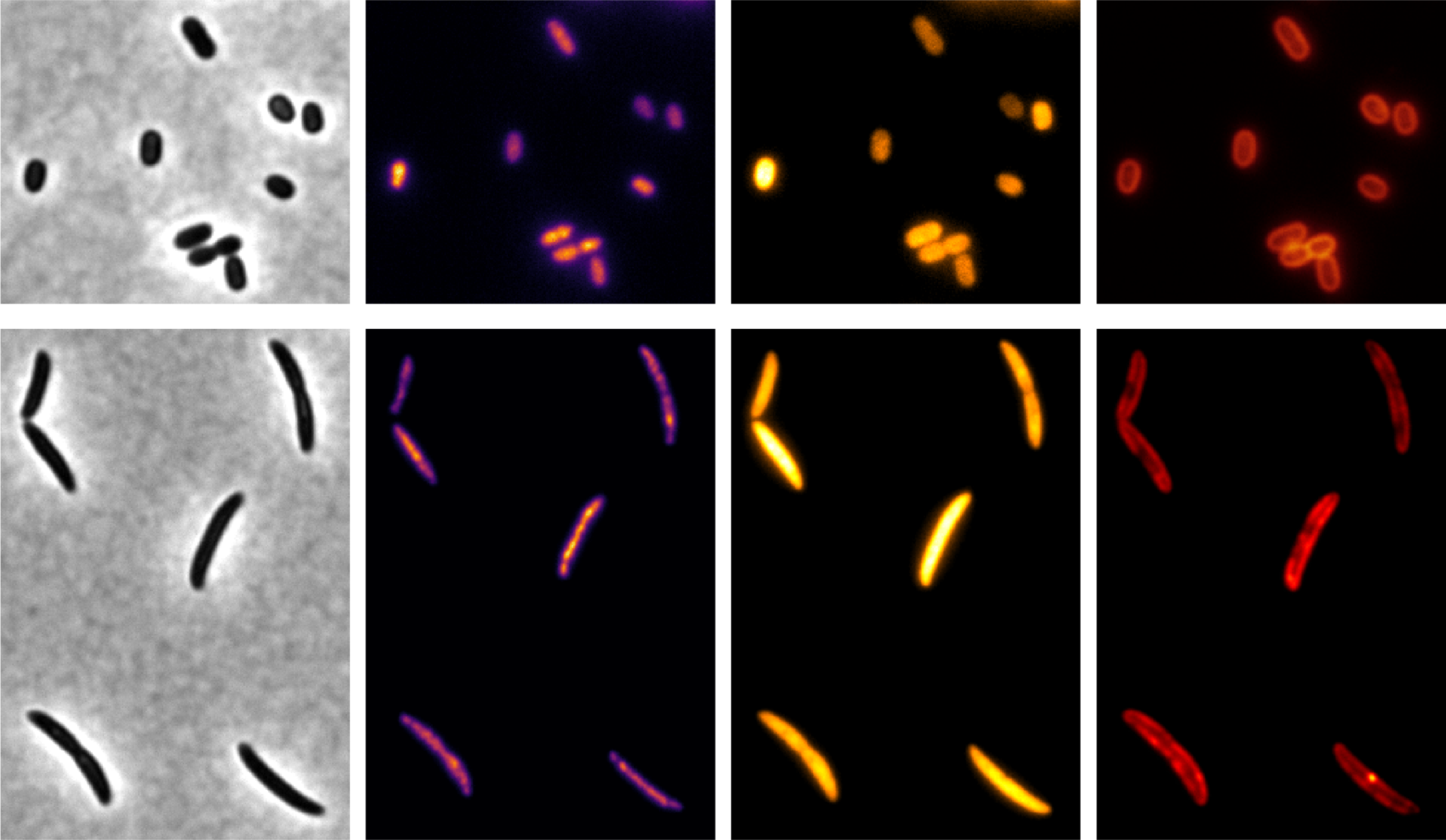
The researchers combined RNA sequencing with fluorescence microscopy, allowing them to look beyond which genes were active and see what individual cells were physically doing. DNA, RNA, cell membranes and new cell-wall synthesis were labelled and imaged, giving a detailed view of how the microbes changed as they grew and nutrients became scarce.
And apparently, different bacteria have very different approaches to a bad day.
When nutrients ran low, B. thetaiotaomicron cells became wider. R. intestinalis, meanwhile, became shorter and underwent more substantial restructuring. In other words, faced with the same problem, one broadened out while the other effectively started rearranging the furniture.
Behind the slightly anthropomorphic drama is an important finding. Gut microbes don't all respond to stress in the same way, and their behaviour depends both on their stage of growth and on the other species around them.
By combining microscopy with sequencing, the researchers could connect changes in gene activity with visible changes in cell shape, division and organisation at the single-cell level. It's a neat example of how fluorescence imaging can reveal another layer of biology that sequencing alone can't show.