When the Nights Get Long and the Labs Get Cold
How LEDs Keep Your Experiments Bright All Winter
Winter in the lab has a very particular vibe.
Coats on backs of chairs. The eternal debate over whether the heating is on or whether we’ve all collectively imagined it. And, of course, the days getting shorter until it feels like you walk into work at twilight and leave at midnight.
But while many things slow down in winter (including people attempting to function before 9am), fluorescence imaging doesn’t get a seasonal break. If anything, this time of year tends to highlight how much we rely on equipment that behaves itself, no matter how cold it gets outside.
So in the spirit of frosty mornings and lab windows that magically steam over, here’s a cosy winter blog about why LEDs are particularly well-behaved companions during the chilliest months.
❄️ 1. Cold starts: great for LEDs, terrible for humans
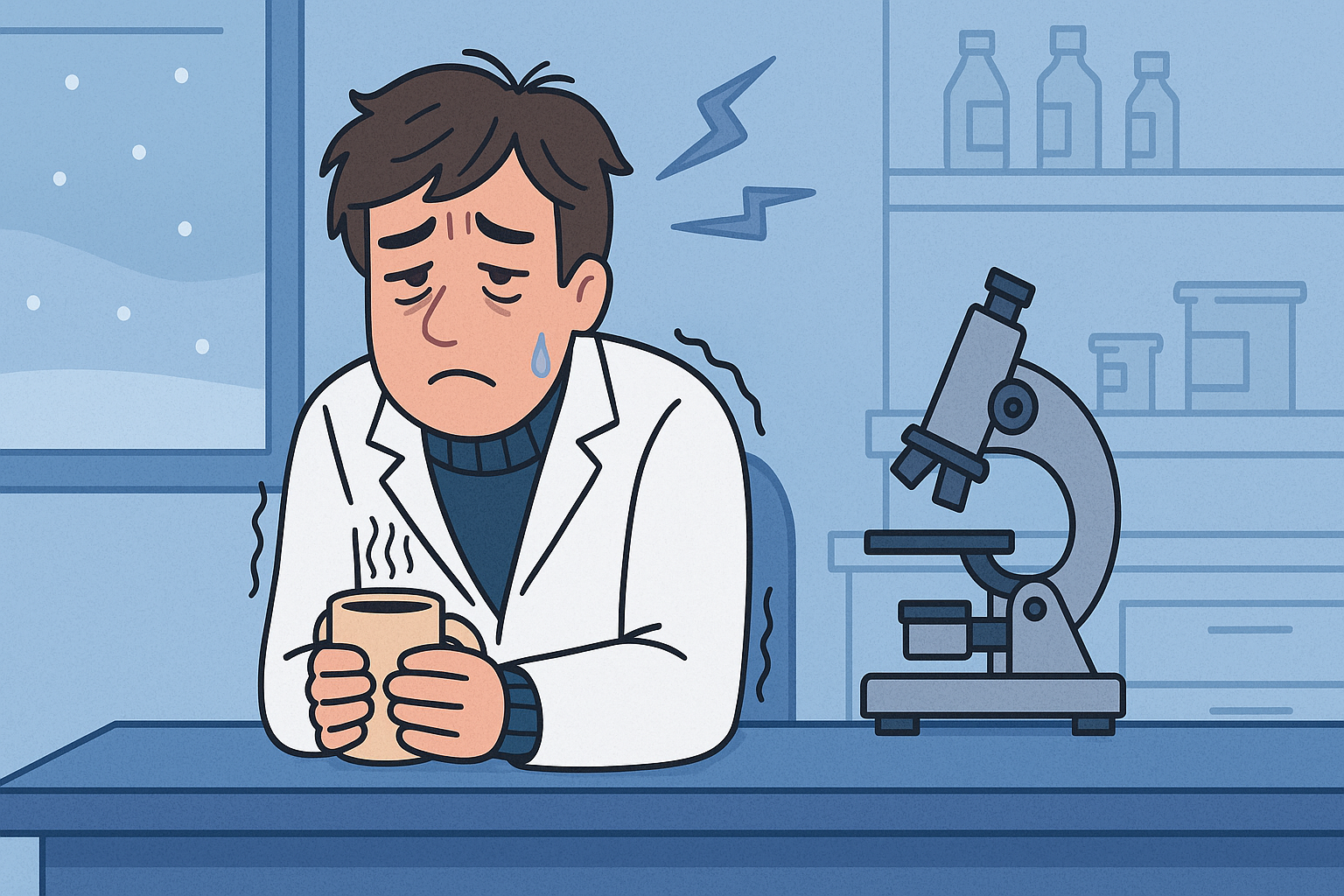
Most of us take a while to warm up in winter.
Mercury and metal-halide lamps certainly do. Their output drifts while they come up to temperature, and that warm-up period can feel like watching a snowman melt in slow motion.
LEDs, meanwhile, behave like that one colleague who’s annoyingly functional before coffee:
Instant, stable brightness from the moment you switch them on.
Cold lab? No problem.
LEDs don’t rely on gas pressure or operating temperature in the same way traditional lamps do, so their consistency doesn’t wobble about depending on the weather.
⛄ 2. Long winter experiments need steady illumination
This is the season of long time-lapse imaging – the darker afternoons seem to encourage epic multi-hour, even overnight experiments. But drifting illumination can make analysis feel like staring at a snowstorm through a microscope.
LEDs shine here (pun fully intended). Their output is steady over hours and hours, even when the building boiler decides to take a holiday of its own. That means:
-
fewer surprises in your fluorescence intensity,
-
more reliable quantification,
-
and fewer “why is Frame 187 so weird?” moments.
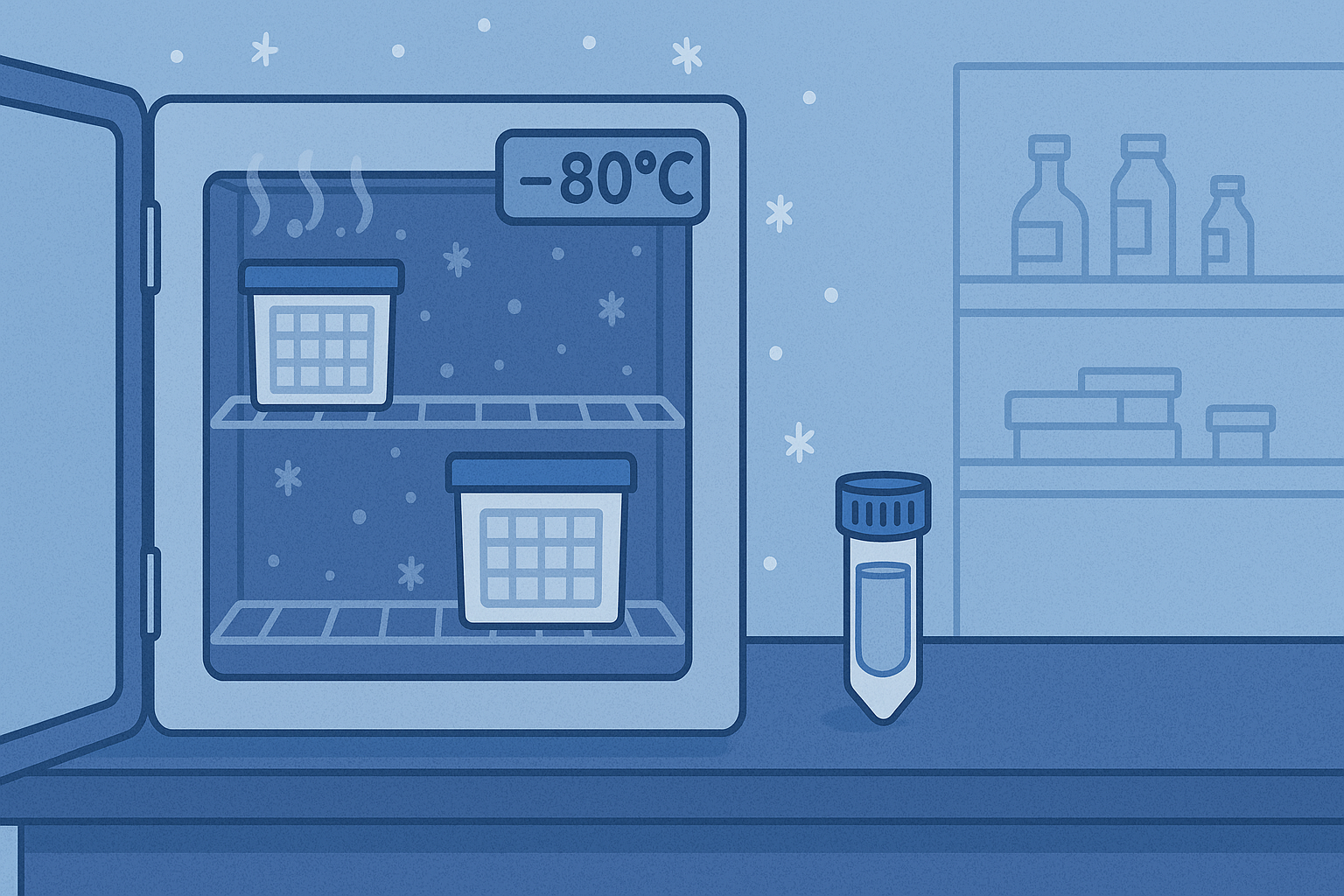
❄️ 3. Low heat = happy samples
Traditional lamps run hot which is a problem at any time of year, but especially noticeable when every other piece of equipment in the room seems to be fighting a losing battle against the ambient temperature.
LEDs produce minimal heat at the sample, which reduces phototoxicity and general stress on cells that are already doing their best in December. It also means fewer fluctuations that can introduce artefacts or mess with live-cell imaging.
No tiny cellular snowstorms, no photobleaching avalanches. Just calm, predictable illumination.
⛄ 4. The dark-night advantage: working with multiple wavelengths
Winter = long nights = more time indoors = more people running multichannel imaging late into the evening.
LEDs make this smooth because:
-
their wavelengths are well-defined,
-
channel switching is instant,
-
and there’s none of the spectral drift that comes from ageing bulbs.
Whether you’re imaging DAPI at 405 nm or pushing deep into the reds for Cy5, you get the same reliable output at 5pm… or 11pm, depending on how your week is going.
❄️ 5. Built for all-seasons sustainability (including the cold ones)
Winter always feels like a good time to reflect on sustainability, mostly because the world outside looks like an advert for getting decent insulation.
LED illumination uses far less energy than legacy lamps, produces less heat (so less cooling demand), and avoids the mercury handling considerations that get especially tedious during holiday staffing levels.
It’s one of those rare cases where “more efficient” and “more convenient” actually line up.

⛄ Final thoughts from the winter bench
While snow settles, ice forms on windscreens, and days shorten to just-enough-hours-to-eat-lunch, it’s reassuring to know that some parts of the lab don’t take a seasonal dip in motivation.
LEDs are among the most stable, predictable pieces of kit in the room:
No warm-up shivers, no output drift, no melt-downs (literal or metaphorical).Just bright, dependable illumination whatever the weather does next.