
From Cues to Cravings
How the pE-400max is shedding light on the neuroscience of food-seeking behaviour
Eisuke Koya, Ph.D – Professor in Behavioural Neuroscience – University of Sussex
Professor Eisuke Koya leads a research group at the University of Sussex, where his laboratory studies how environmental cues associated with food can trigger behaviours such as food seeking. He explains his research and the role of the CoolLED pE-400max LED Illumination System.
Animals and humans have evolved to respond to environmental signals known as cues, which enable individuals to seek out nutrient sources essential for survival.
For example, a shark detecting the scent of blood associates it with the likely presence of prey. From a scientific perspective, understanding this process is fascinating. In humans, however, this topic of study also has benefits for public health, since cues can drive food cravings, sometimes contributing to overeating when food is readily available.
Fast food advertising serves as a prime example, constantly exposing us to powerful food-related cues. In fact, public health policies are beginning to address the issue, and the UK government has started restricting advertisements for junk food.
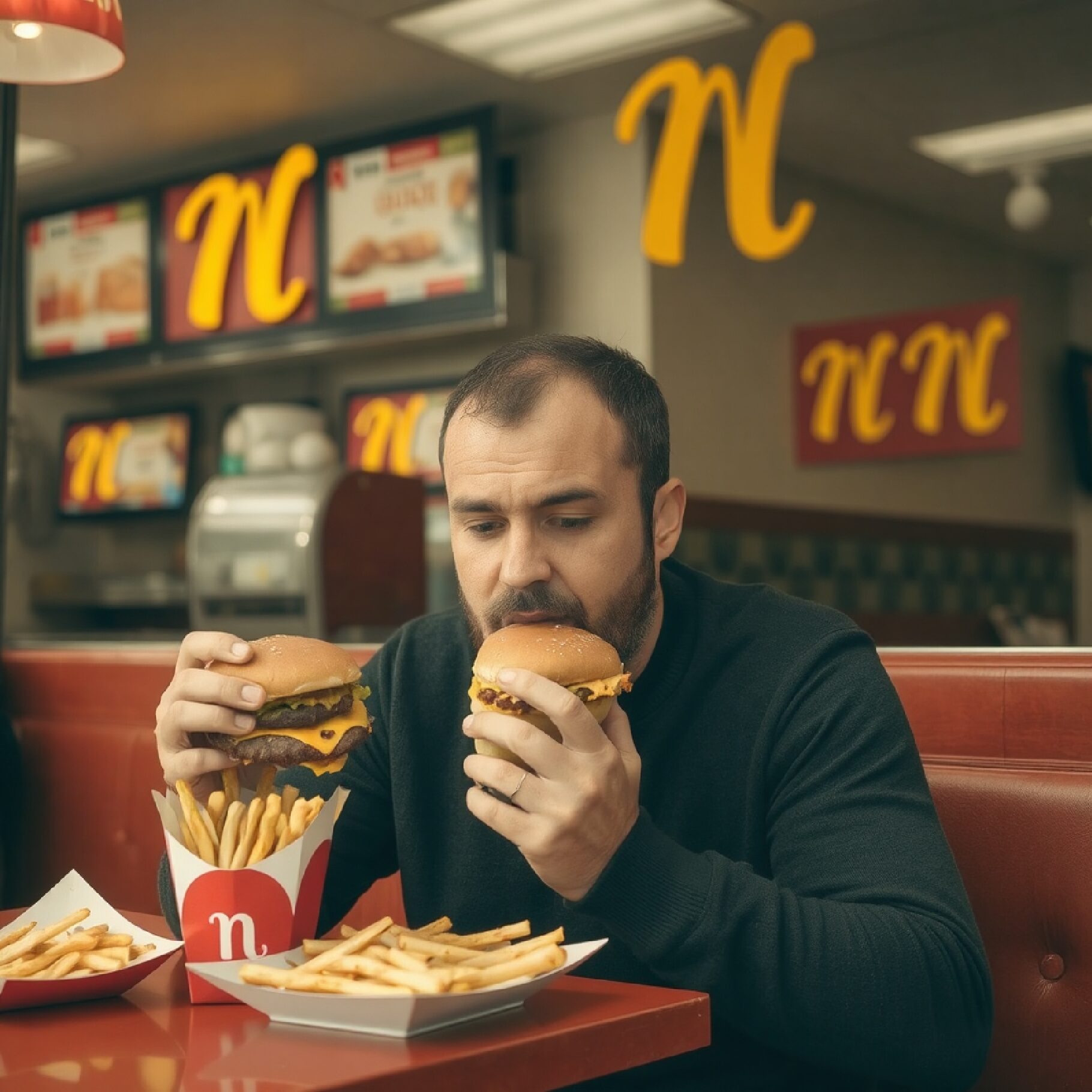
We learn about these food associations almost subconsciously, and the process happens rapidly which is an advantage for survival. Once established, these associations are powerful and long-lasting. While we may forget what we had for lunch two days ago, the connection between a fast-food logo and a hamburger can persist for years.

CoolLED specialises in microscopy illumination for fluorecence microscopy and, since our team of four introduced the first commercially available LED microscope illuminator in 2006, we have led the way in designing and manufacturing cutting edge LED Illuminators for Microscopes using the latest technology.